Tap-to-Earn: Telegram Blueprint to Stop Wasting Time in the 2026
Telegram tap-to-earn can be worth it in 2026, but only if you treat it like a system. Most people fail for two reasons. First, they grind random bots with no real payout path. Second, they ignore withdrawal rules and basic security. So, this guide focuses on what actually matters: how payouts work, what “real pay” looks like, and which red flags should make you quit fast. The goal is simple: protect your time, protect your wallet, and only spend effort where there is a clear, verifiable reward path.
By Yaser | Published on February 6, 2026
What Tap-to-Earn Really Is in 2026
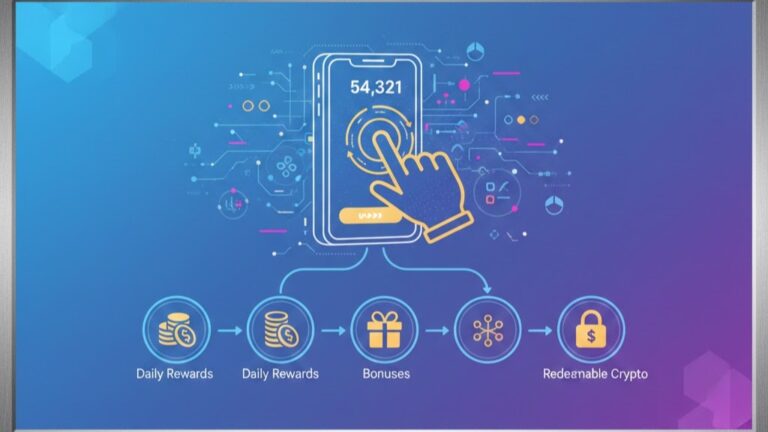
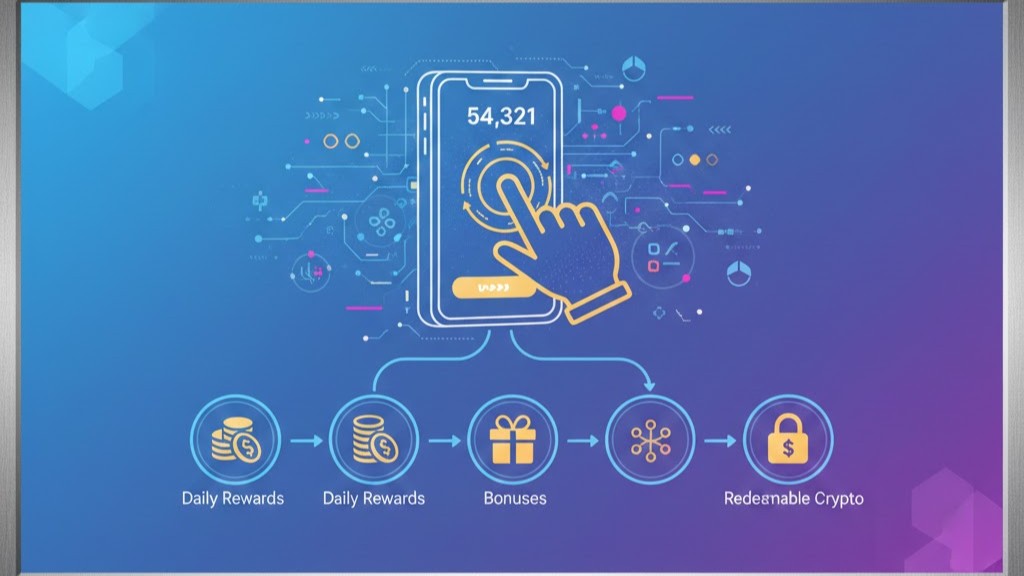
Tap-to-earn is usually a lightweight game or “task loop” inside Telegram. You tap, complete missions, invite friends, and collect points. However, points are not money by default. They only become valuable if the project later converts points into a token, a stable payout, or a redeemable reward. Therefore, the smart approach is to treat tap-to-earn like a funnel. At the top, there is hype and points. In the middle, there are eligibility rules and verification. At the bottom, there is a real distribution event. If the bottom does not exist, the grind is mostly wasted.
Tap-to-Earn vs Airdrops vs Tasks
Tap-to-earn is often marketed like an airdrop, but it is not always the same. An airdrop usually has a clear event: token distribution to wallets. A task platform usually pays directly per task. Tap-to-earn can be either, or neither. So, you must check what the project is promising. Also, you should look for official language like “distribution,” “claim,” or “reward schedule.” If everything is vague, then it is more like entertainment. In short, don’t confuse “points” with “payout.”
Why Telegram Became the Main Hub
Telegram works well for tap-to-earn because it is fast, social, and built around channels and bots. In addition, many crypto communities already live there, so user growth is easy. Also, Telegram mini apps can onboard users without complex installs. That makes engagement cheap and viral. However, the same ease also attracts scammers. So, the platform advantage comes with a safety cost. Therefore, you should assume that fake clones will appear, and you should verify every project before you interact.
The Two Models: “Token Later” vs “Cash Now”
Most projects follow one of two models. The first model is “token later,” where points may convert into a token in the future. The second model is “cash now,” where you earn small amounts with direct withdrawal options. The first model can pay big, but it is uncertain and slow. The second model is usually smaller, but more predictable. Because of that, you should choose based on your goal. If you want low risk and steady results, focus on direct payouts. If you can tolerate uncertainty, then token-based campaigns might fit.
How Payouts and Withdrawals Actually Work
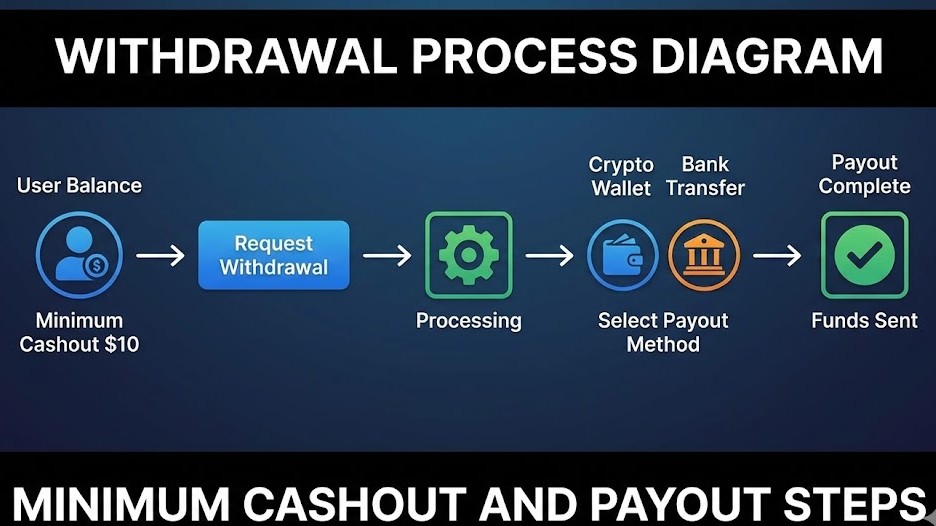
People don’t quit because tapping is hard. They quit because withdrawals are confusing. The key is to understand the chain of requirements. First, you earn points or balance. Next, you must pass eligibility rules. Then, you must meet a minimum cashout threshold. After that, you may need KYC, wallet connection, or a specific chain fee. Finally, you wait for processing. Each step can block you. So, the best strategy is to check withdrawal rules on day one, not after two weeks of grinding.
Minimum Cashout Rules and Hidden Thresholds
Many tap-to-earn apps advertise “earn daily,” but they often hide a high minimum cashout. That is not always a scam, but it can waste your time. Therefore, always find the minimum withdrawal amount early. Also, check if the minimum increases over time, or if it changes by region. In addition, watch for “fees” that must be paid to unlock withdrawals. If an app forces you to pay first, you should be extremely cautious. A legitimate platform should not require repeated payments just to let you withdraw.
Wallet Connections, Tokens, and Gas Fees
Some projects pay on-chain. That means you must connect a wallet and pay network fees for claiming or moving tokens. This is normal in crypto, but it is also a place where scams strike. Therefore, never connect your main wallet. Instead, use a separate wallet with a small balance. Also, check what chain the reward uses. If it is a chain with expensive fees, your reward may not be worth claiming. So, always compare expected payout versus total fees. In short, “free” rewards can still cost you money to claim.
KYC, Processing Times, and Payout Delays
Some apps require identity verification before withdrawals. That can be normal for regulated payment methods, but it also creates friction. So, check KYC requirements early, because it affects whether the app fits you. Also, payout times can vary. Some systems process withdrawals daily, while others batch them weekly or monthly. In addition, token-based distributions can be delayed for long periods. Therefore, don’t plan your finances around an unconfirmed payout date. Treat every timeline as flexible until you see consistent proof from real users.
What Actually Pays in 2026
“Actually pays” means one thing: there is a proven path from your effort to a withdrawal or distribution. The strongest signals are simple. You can see real withdrawal screenshots from multiple users, not just one influencer. You can see official payout rules that match reality. You can see a clear token claim mechanism that works. Also, you can see that the project continues to communicate after it grows. If a project only speaks before it gets users, then disappears later, that is a bad sign. In 2026, the best paying opportunities are usually the least noisy.
Direct Payout Platforms With Verifiable Withdrawals
Direct payouts are the easiest to evaluate. You either withdraw successfully, or you don’t. Therefore, look for platforms that show clear withdrawal rules, realistic minimums, and consistent processing. Also, check the withdrawal methods. Some methods are reliable, while others are slow or region-limited. In addition, be careful with platforms that change rules after you reach the minimum. That pattern often signals a time trap. The best approach is to test early: earn a small amount, withdraw once, then decide whether it’s worth scaling.
Token Distributions With Clear “Claim” Mechanics
Token-based rewards can be valuable, but only if the claim process is clear. A strong project explains eligibility, distribution timing, and the exact steps to claim. It also communicates changes openly. If the project avoids specifics and only repeats “big rewards coming,” then it is mostly marketing. Also, watch for “points to token” conversions that are not defined. If there is no formula, you cannot estimate anything. Therefore, only invest time when there is enough transparency to judge fairness and likelihood.
Referral Rewards vs Real Earnings
Referrals can boost earnings, but they can also become the main “payout,” which is risky. If a project pays mostly through referrals, it can feel like a pyramid-style growth loop. That does not automatically mean illegal, but it often means sustainability is weak. Real earning systems usually reward multiple behaviors: consistent usage, skill, or real tasks. Referrals should be a bonus, not the core. So, if you see a project where tapping is meaningless and only invites matter, treat it as a high-risk time sink.
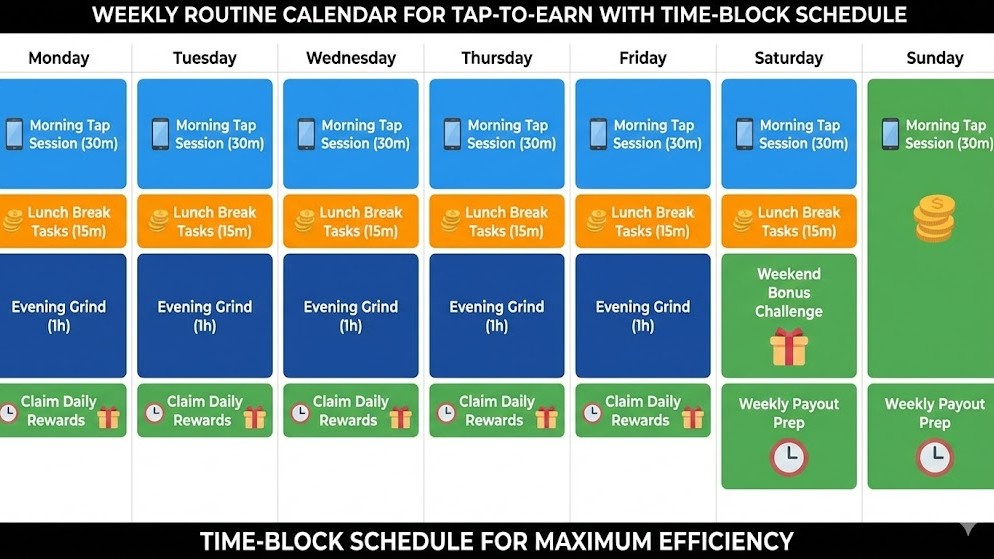
A Weekly Routine That Saves Time
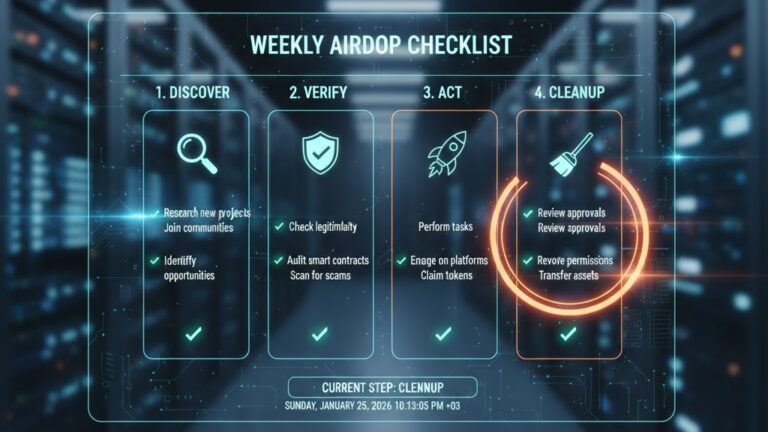
The biggest advantage is not finding the “best” bot. The biggest advantage is having a routine that filters bad options fast. A weekly routine helps because it forces discipline. It also prevents burnout. Instead of tapping all day, you do short sessions, you track results, and you drop weak projects quickly. The routine is simple: research, test, verify payouts, then scale only winners. In addition, you should set a weekly time budget. If you spend more hours than the value you earn, you are losing—even if you feel “busy.”
The 20-Minute Daily Rule
Set a daily cap, like 20 minutes. This keeps the effort sustainable. Also, it forces you to prioritize higher-value actions. For example, you can do quick tasks, claim daily rewards, and check updates without getting trapped in endless tapping. If a project demands hours per day, it must justify that time with real payout proof. Otherwise, it is not earning, it is entertainment. Therefore, use the 20-minute rule as a filter. If you cannot stay within it, you probably joined a low-quality grind loop.
Track Everything: Simple Logs Beat Memory
Most people waste time because they forget what they did. So, keep a simple log. Write the project name, what you earned, the withdrawal minimum, and whether you saw proof of payment. Also, note the date you started. In addition, record changes in rules. This log becomes your decision tool. After one week, you can see which projects are worth it and which are not. Without logs, you rely on feelings. Feelings are easy to manipulate with hype. Therefore, tracking protects you from marketing tricks.
Scale Winners, Drop Losers, Repeat
After a week, make a decision. Keep only the top performers that show real payouts or strong transparency. Drop anything with unclear rules, moving goalposts, or suspicious behavior. Then repeat the process with one or two new candidates. This “small rotation” strategy is powerful because it limits risk while still exploring opportunities. Also, it prevents the common mistake of grinding ten projects with zero proof. In short, fewer projects + more verification = better results and less stress.
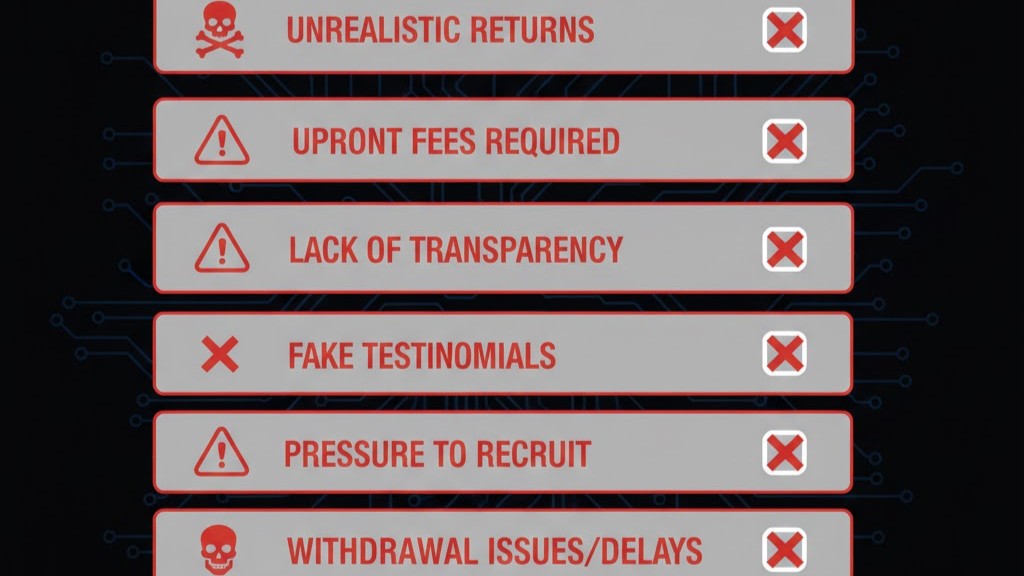
Scam Red Flags That Waste Time and Money
In 2026, scam patterns are very consistent. They use urgency, confusion, and fake legitimacy. So, the best defense is pattern recognition. Red flags are not only about losing money. Many scams are “time scams,” where you never get paid, but you keep grinding because you hope. Other scams are wallet-drainers, where one click can cost you everything. Therefore, take red flags seriously. If two or three red flags appear together, you should stop immediately. You are not “missing out.” You are protecting yourself.
“Pay to Withdraw” and “Upgrade to Unlock”
If an app asks you to pay to withdraw, be cautious. Sometimes a small network fee is normal, but “upgrade packages” and repeated payments are major red flags. Scammers love to create a barrier right when you are close to cashing out. They know you feel invested, so you might pay. Also, watch for “VIP levels” that promise faster payouts. If payouts are real, they should not require constant payments. In short, if money must flow from you to them to unlock rewards, the risk is extremely high.
Fake Support, Fake Screenshots, and Comment Spam
Scams often create fake support accounts that DM you first. They also flood comments with “I got paid!” screenshots. However, screenshots are easy to fake. Therefore, trust patterns, not single images. A safer signal is when many unrelated users report similar successful withdrawals over time, with consistent details. Also, be careful with links in comments. Scammers use look-alike domains and shortened links to hide destinations. If you cannot verify the official source, do not click. Your time and wallet are worth more than curiosity.
Wallet Drainers and Phishing Through “Connect Wallet”
Some Telegram bots and mini apps will push you to connect a wallet. That is where draining happens. They imitate legit interfaces, then request dangerous approvals. Therefore, never connect your main wallet. Also, never sign messages you do not understand. If the request is unclear, cancel it. In addition, avoid connecting wallets through random DMs. Always navigate from official channels you trust. If a project is real, it will provide clear official links and explain the process. If it is a scam, it will rush you and confuse you.
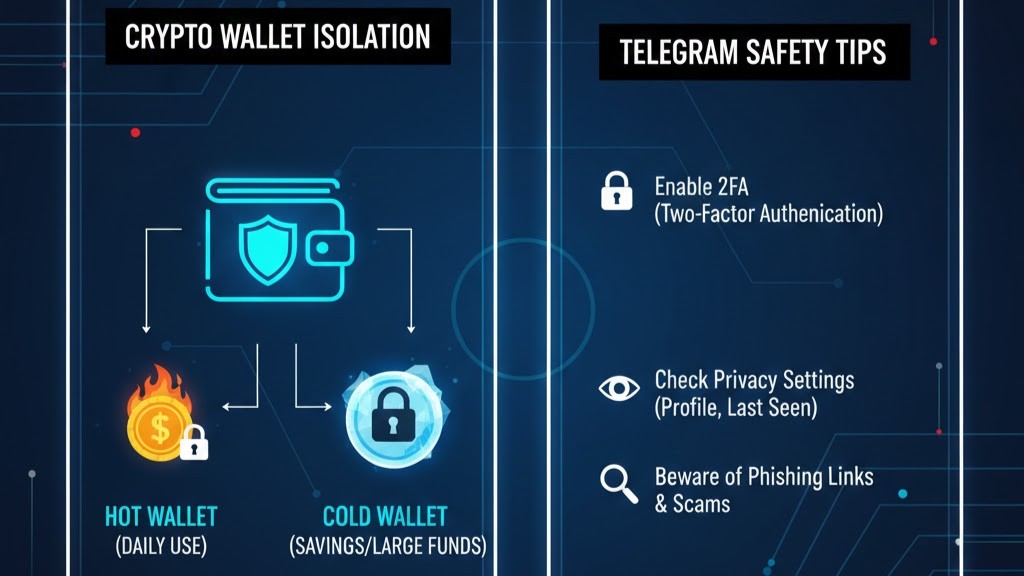
Safety Setup: Protect Your Accounts and Wallets
A safe setup is not optional. It is the price of participating in crypto. Telegram-based earning adds extra risk because bots can impersonate brands and because social engineering is easy. Therefore, you need two layers of safety: account safety and wallet safety. Account safety means protecting Telegram, email, and devices. Wallet safety means using separation and limiting approvals. These rules are simple, but they work. Also, they keep you consistent. When your setup is clean, you can test new opportunities without fear of losing everything.
Separate Wallets: One for Experiments, One for Holding
Use a dedicated “experiment wallet” for tap-to-earn claims and unknown apps. Keep only small funds there. Then keep your main holdings in a separate wallet that never touches these bots. This separation reduces worst-case damage. Also, it makes cleanup easier because you know where approvals live. In addition, it reduces stress, because you do not feel like every click can ruin your entire portfolio. If a project demands your main wallet, that is a red flag. Real systems should work with any wallet, not force your most valuable one.
Telegram and Device Hygiene
Secure your Telegram account with strong settings and careful behavior. Avoid clicking unknown files or random links. Also, be careful with “support” DMs. Real support rarely needs to message you first. Keep your device updated. Use a separate browser profile for crypto tasks, because extensions can be risky. In addition, avoid installing random APKs or “helper apps” that claim to boost earnings. Those are common malware paths. In short, your device is part of your wallet security. If the device is compromised, your wallet can be compromised too.
Approval Control and Cleanups
If you ever approve token spending, treat it like giving someone a key. So, approve only what is necessary. Avoid unlimited approvals when possible. After you finish with a project, revoke approvals and stop using old links. Also, keep a simple list of which projects you connected to. This helps you spot suspicious activity later. Many users get drained weeks after they stopped using an app because approvals remain active. Therefore, weekly cleanup is not extra work. It is prevention.
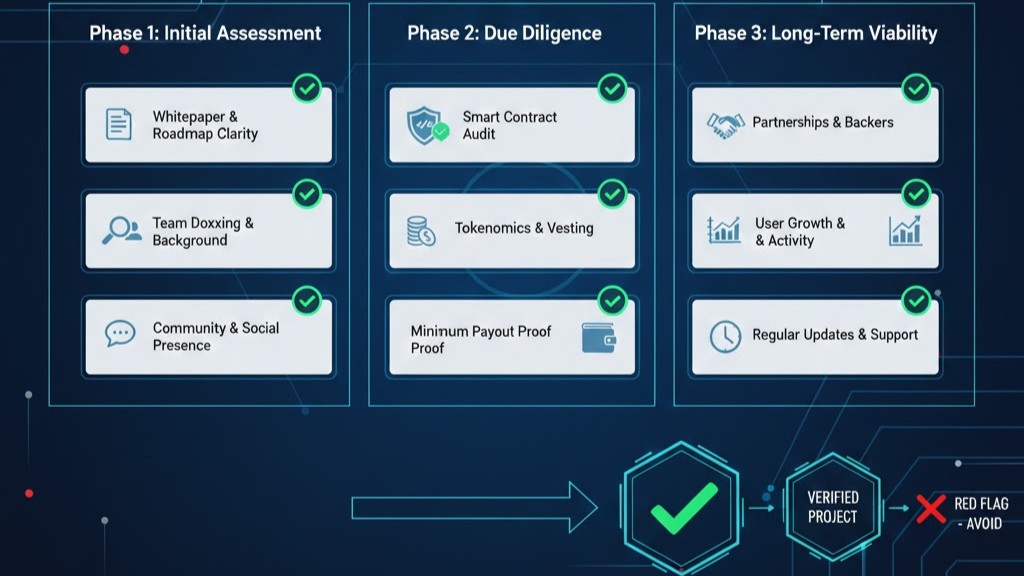
How to Judge a Tap-to-Earn Project Before You Grind
A smart reader does not ask, “Can this pay?” first. A smart reader asks, “Can this be verified?” Because verification prevents wasted time. The strongest projects communicate clearly, show consistent updates, and provide a transparent payout path. Weak projects use vague promises and endless “soon.” In addition, you should judge the effort-to-reward ratio. If a project requires heavy grinding with unclear rewards, the expected value is low. So, use a simple evaluation framework: clarity, proof, and sustainability.
Clarity Check: Rules, Eligibility, and Withdrawal Steps
A legit project usually has clear rules. It explains how you earn, how you qualify, and how you withdraw. It also states minimums and timelines. If you cannot find these details quickly, that is a warning sign. Also, watch for rules that change too often. Changing rules can happen, but constant changes usually mean the system is unstable or manipulative. Therefore, choose projects with stable, readable instructions. Clarity is not just nice. It is a safety signal.
Proof Check: Real Users, Repeated Payouts, Consistent Reports
Proof is stronger when it is repeated. One payment screenshot is weak. Ten independent reports over two weeks are stronger. Also, proof is stronger when it includes practical details like payout method, processing time, and fees. If every “proof” looks identical, be suspicious. In addition, look at whether the project communicates after growth. Scams often go silent after they attract enough users. So, look for consistent updates and honest explanations. Proof plus consistency is a much stronger combination than hype.
Sustainability Check: Where the Money Comes From
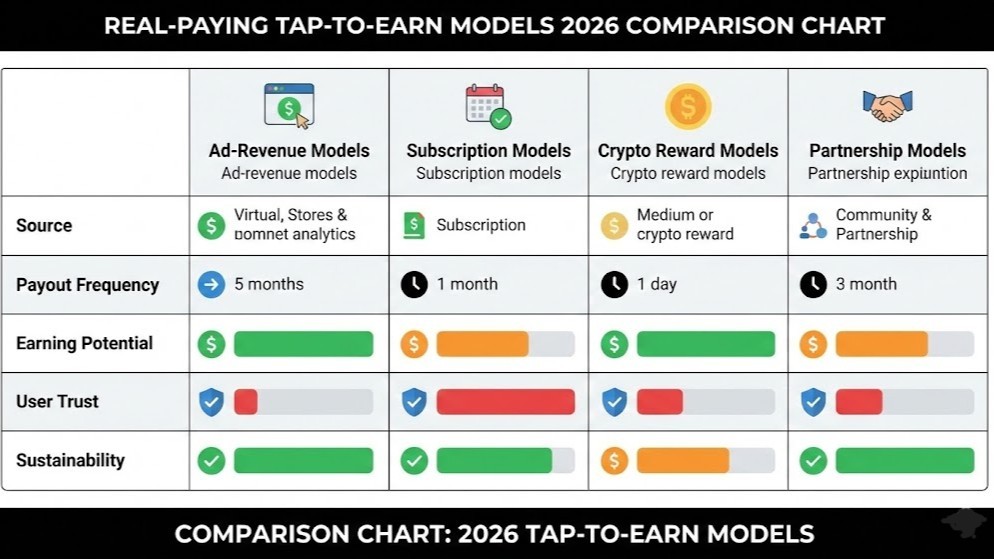
Every payout must come from somewhere. If a project pays direct cash, ask how it funds that. Ads, partnerships, subscriptions, or product revenue can be real sources. However, if the only source is new users paying “upgrade fees,” that is a major risk. If a token is promised later, ask what utility the token will have and why it should hold value. If the model is unclear, then the payout promise is weaker. In short, sustainable rewards usually have a sustainable business behind them.
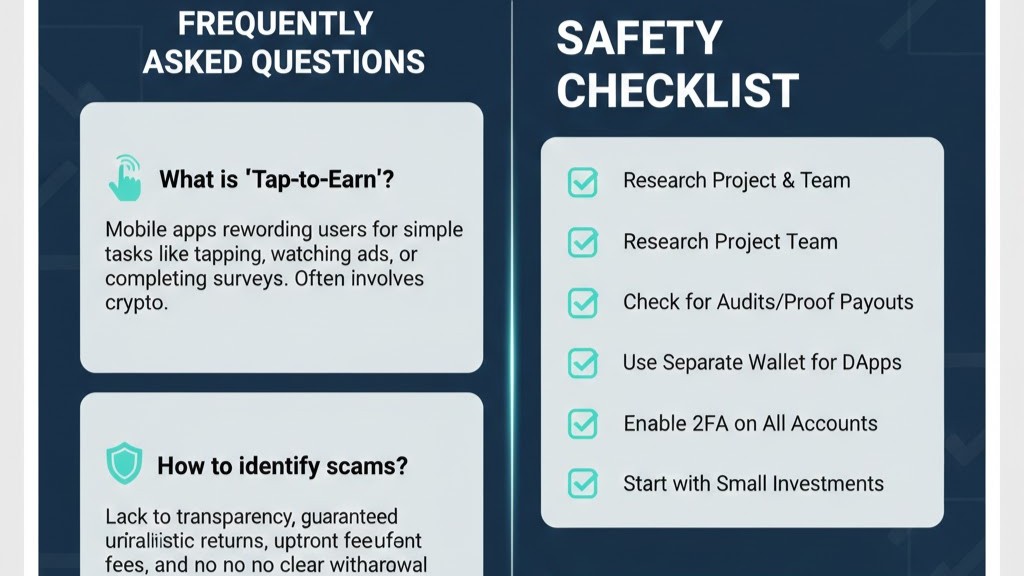
Quick FAQ + Copy-Paste Checklist
This section makes the guide easy to act on. It answers common questions and gives a fast checklist that readers can follow in real life. The goal is not to scare people away from tap-to-earn. The goal is to help them participate safely. If a project is real, it will survive your checklist. If it is fake, the checklist will expose it quickly. Therefore, this section is your final filter. Use it every time you start a new Telegram earning bot.
FAQ: “How Much Can I Earn?”
Earnings vary wildly. Some users make small, steady payouts. Others chase token campaigns that may pay later or may pay nothing. The best mindset is to measure weekly results. If you spend two hours and earn almost nothing, reduce effort or drop the project. If you find a project with real withdrawals, then you can scale a bit. However, never assume past payouts guarantee future payouts. Rules can change. Therefore, keep your time budget strict, and treat every project as “prove it again” each week.
FAQ: “Is It Safe to Use My Main Wallet?”
No. It is safer to use a separate wallet for experiments. Tap-to-earn ecosystems change fast and attract clones. Even one wrong approval can cause losses. So, keep your main wallet for holding and long-term assets. Use a small “testing wallet” for claims and bot interactions. Also, keep that wallet low-balance. This way, you can explore opportunities with limited downside. In short, wallet separation is the simplest safety upgrade with the highest impact.
Copy-Paste Checklist: Start, Verify, Earn, Withdraw
Check official channels and correct links.
Read withdrawal rules and minimum cashout first.
Test with a small effort for 2–3 days.
Confirm repeated payout proof from multiple users.
Use a separate wallet and avoid unlimited approvals.
Never pay “upgrade fees” to withdraw.
Withdraw once early, then decide to scale.
Review weekly and drop anything unclear.
This checklist turns tap-to-earn into a controlled routine, not a time trap.
Latest Articles