
The Complete Fetch.ai (FET) Growth & Analysis in 2025
Explore Fetch.ai (FET), the leading AI blockchain project driving automation and smart agent innovation. Discover growth insights, analysis, and 2025 potential.
By Yaser | Published on November 1, 2025

What Is Fetch.ai and Why It Matters
Fetch.ai is a decentralized platform that combines artificial intelligence, autonomous agents, and blockchain security. It aims to help software agents find data, negotiate terms, and complete digital tasks with minimal human input. Because the network is permissionless, developers can build markets, tools, and services that talk to each other in real time. Moreover, the FET token coordinates incentives, so contributors and users can be rewarded for value they create. In 2025, this vision matters because businesses want automation that is faster, cheaper, and more transparent. Therefore, Fetch.ai sits at the intersection of AI, data, and Web3, where demand keeps growing.
Autonomous Agents in Simple Terms
Autonomous agents are small programs that act on behalf of users or companies. They search for opportunities, compare options, and execute micro-transactions. For example, an agent might book a delivery route, buy API access, or match unused compute with a task that needs power. Because agents can operate 24/7 and follow clear rules, they reduce manual work. As a result, teams save time and unlock new revenue. In addition, agents can cooperate with other agents, which creates network effects. Over time, this coordination can push productivity higher across many industries.
Why AI + Blockchain Is a Natural Pair
AI needs access to data and services, yet access must be controlled and auditable. Blockchain provides shared rules, transparent payments, and tamper-resistant logs. Therefore, it helps align incentives and reduces disputes. In the Fetch.ai model, agents use on-chain logic to prove actions and pay fairly. Meanwhile, off-chain AI models can stay flexible and private. This split offers the best of both worlds: reliable settlement and adaptive intelligence. Because trust is costly in digital markets, this pairing lowers risk and opens doors to new collaborations.
Where FET Fits in the Picture
FET is the utility token that powers the network’s core actions. It can secure the system through staking, pay for agent services, and reward data providers. As adoption grows, more activity can flow through the token. In turn, healthy incentives can attract builders, and builders can attract users. Although prices change and markets move, utility remains the foundation. Consequently, the long-term thesis focuses on real usage, not only on short-term speculation. Clear utility plus growing ecosystems usually support durable traction.

Technology Overview: Agents, Networks, and Tooling
Fetch.ai’s stack is built to let agents discover services, exchange value, and complete tasks safely. The network provides identity, messaging, and settlement. Tooling helps developers model goals and link agents to data, APIs, and marketplaces. In practice, this means a builder can define an agent’s role, permissions, and budget, then deploy it to interact autonomously. Because standards matter, the stack favors modular components and clear interfaces. As a result, teams can integrate existing systems without rewriting everything. This practical approach speeds up testing, reduces cost, and supports faster iteration in 2025.
Agent Frameworks and Interoperability
Agent frameworks give developers templates for common jobs. For instance, one template might handle price discovery, while another manages subscriptions. These building blocks reduce friction for new teams and improve security by reusing reviewed code. Interoperability then allows agents to talk across services and chains when policy allows. Therefore, a logistics agent can coordinate with a data-pricing agent or a compute-rental agent. Because each piece follows shared rules, the whole system becomes easier to scale and maintain.
Data Access, APIs, and Market Adapters
Agents become useful when they can reach real data and real services. Market adapters help agents connect to APIs for payments, mapping, weather, analytics, or customer operations. With adapters, agents can compare offers, negotiate terms, and settle instantly. In addition, adapters can enforce budget caps and risk limits, which protects users. Over time, the library of adapters grows, and the platform becomes a hub for digital trade. Consequently, developers spend more time delivering outcomes and less time wiring integrations.
Security, Settlement, and Observability
Security depends on identity, permissions, and consistent logs. The network assigns identities to agents, while permissions define what they can do. Settlement occurs on-chain to keep records clear. Observability tools track actions and costs, so teams can audit behavior. If something goes wrong, they can pause, update, or replace agents. This discipline is crucial for enterprises, because governance and compliance are non-negotiable. With better visibility, organizations can move from experiments to production with confidence.

Tokenomics and Utility: How FET Drives the Network
Token design matters because it aligns incentives. FET typically covers transaction fees, agent operations, staking, and ecosystem rewards. In simple terms, the token pays for useful work and secures the network against attacks. When activity grows, more fees pass through the system. Meanwhile, staking can encourage long-term thinking and improve resilience. Therefore, healthy tokenomics support both users and validators. In 2025, investors and builders look for clear utility, clean distribution, and transparent governance—elements that reduce risk and sustain growth.
Payments, Fees, and Budgeting
Agents run with defined budgets. They spend FET to access data, APIs, or compute. Because budgets are capped, costs stay predictable. Furthermore, micro-payments allow fine-grained pricing, which can unlock niche services that were hard to monetize before. Over time, a long tail of specialized providers can join the network. This creates more choice for users and more revenue paths for builders. As the marketplace deepens, unit economics improve for both sides.
Staking, Security, and Participation
Staking links token holders to network security. Validators commit stake and process transactions; delegators support them to earn a share of rewards. This model rewards honest behavior and punishes abuse. In addition, participants can vote on parameters and upgrades. Because voice matters, aligned governance can help avoid missteps. When builders, users, and operators all care about reliability, the platform becomes more stable, which attracts further adoption.
Grants, Incentives, and Ecosystem Growth
Early ecosystems need fuel. Grants, hackathons, and rewards can attract talented teams who build high-value agents and tools. However, incentives work best when tied to outcomes, not only to promises. Therefore, programs often reward milestones like active users, paying customers, or cost savings. This approach keeps focus on real utility. As the library of solutions expands, more businesses can adopt agents without starting from zero, which accelerates network effects.

Real-World Use Cases: From Data to Commerce
Fetch.ai aims to make automation practical across different industries. Agents can negotiate data access, optimize logistics, or coordinate compute tasks. They can also help with marketing operations or customer support. Because each agent has a narrow job, teams can deploy them one by one and measure impact. In addition, agents can cooperate, which creates workflows that span multiple companies. In 2025, this modular approach is attractive, since budgets are tight and leaders want quick wins that compound over time.
Data Markets and Insight Automation
Many firms sit on valuable data that they do not fully monetize. Agents can package access, manage permissions, and log usage. Buyers pay per query or per window, which aligns cost with value. Meanwhile, sellers keep control over terms and scope. Because logs are standardized, billing becomes simple and audits become faster. As a result, more data becomes tradable, and teams can build analytics without heavy contracts or complex integrations.
Logistics, IoT, and Operations
In logistics, small savings at scale matter. Agents can compare carriers, book slots, and re-optimize routes as conditions change. In IoT, agents can schedule device maintenance, purchase small updates, or sell spare capacity. Because these actions are frequent but small, automation is essential. With clear rules and capped budgets, agents stay within policy while keeping operations smooth. Over time, these micro-optimizations reduce waste and improve margins.
Marketing, Support, and Creator Tools
Creators and brands can use agents to manage outreach, schedule content, and purchase targeted data segments. Support agents can triage tickets, route issues, and buy specialized tools on demand. Because agents keep logs, managers can analyze performance and refine prompts or rules. This loop turns operations into a measurable system. As a result, small teams can deliver enterprise-grade consistency without huge headcount or rigid processes.
Growth Drivers in 2025: Why Interest Is Rising
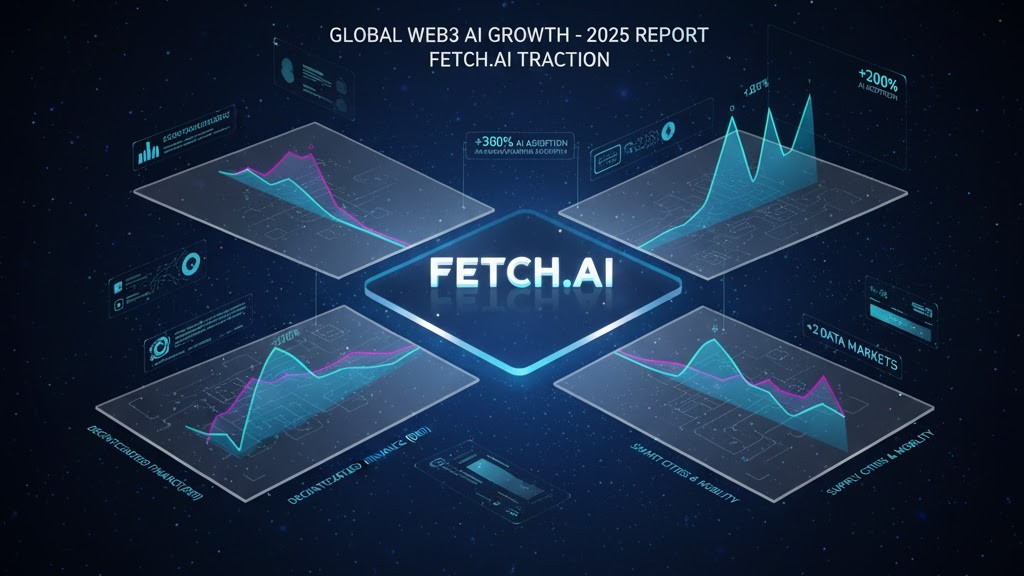
Three trends support Fetch.ai’s momentum in 2025. First, businesses want practical AI that connects directly to revenue and cost savings. Second, they prefer open ecosystems that avoid lock-in and integrate quickly. Third, they need clear governance and traceable logs to satisfy compliance. Fetch.ai addresses each point with agents, interoperability, and on-chain settlement. Therefore, when budgets move from pilots to production, platforms that deliver measurable results gain mindshare. Clear case studies, simple onboarding, and visible ROI all help adoption.
Developer Experience and Time-to-Value
Adoption accelerates when setup is simple. Templates, SDKs, and reference projects reduce friction. If developers can launch a working agent in days—not months—they will test more ideas. Then, they will keep what works and scale gradually. As documentation improves and examples multiply, the community gains confidence. This momentum often shows up as steady growth in active agents, integrations, and partner announcements.
Partner Ecosystems and Integrations
Partnerships extend reach. When data providers, API vendors, and compute networks plug into agents, more use cases become possible. Each new adapter increases the platform’s value for the next builder. Consequently, the ecosystem follows a positive feedback loop: more supply attracts more demand, and vice versa. Over time, these loops can produce durable moats that are difficult for late entrants to match.
Market Education and Clear Messaging
Complex ideas need simple communication. Clear guides, transparent pricing, and honest limitation notes build trust. When buyers understand what agents can and cannot do, they make better plans. That clarity reduces churn and improves references. In growing markets, word-of-mouth often beats ads. Therefore, education is not a side task; it is part of the product.
Risks and Challenges: What to Watch
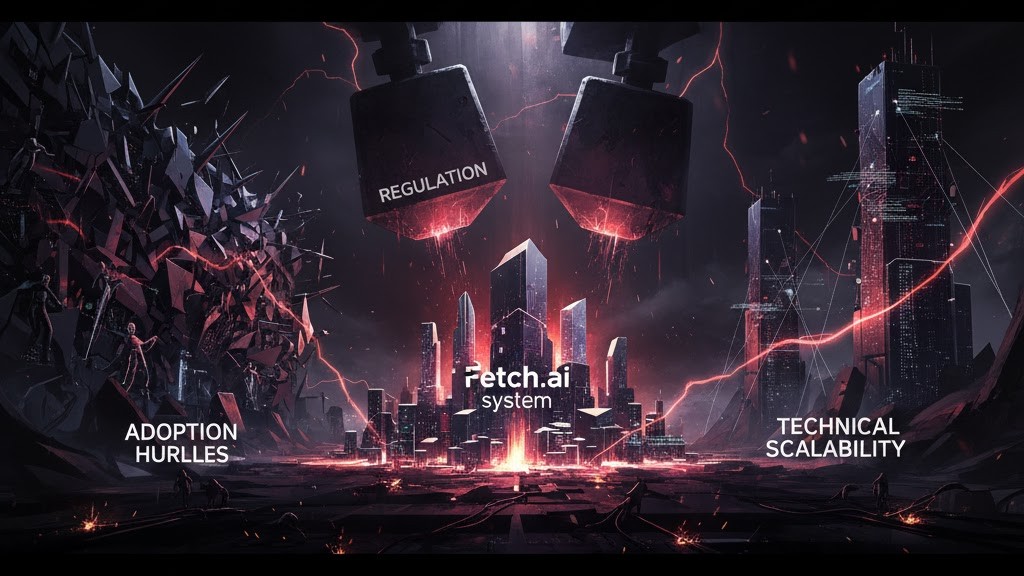
No project is risk-free. Technical risks include scaling, security, and model reliability. Market risks include adoption delays and macro conditions. Regulatory risks involve data rights and cross-border rules. Because these factors evolve, teams should plan for change. A healthy roadmap includes stress tests, audits, and staged rollouts. When issues appear, transparent updates and quick fixes protect credibility. As always, diversification and prudent budgeting reduce exposure for both builders and users.
Technical Debt and Reliability
As systems grow, complexity rises. Without discipline, technical debt can slow releases and create outages. To avoid this, teams should standardize testing, automate deployments, and monitor performance closely. In addition, periodic audits of smart contracts, libraries, and adapters help catch issues early. Because trust is fragile, reliability must be a priority. Users forgive learning curves; they do not forgive repeated downtime.
Adoption Hurdles and Incentive Design
Early users want proof of value. If onboarding is heavy or incentives are unclear, trials stall. Therefore, funnels must be simple: quick demos, small budgets, and measurable outcomes. Incentives should reward long-term usage, not only signups. Projects that tie rewards to real activity usually retain users better. Over time, retention drives sustainable growth far more than short spikes.
Policy, Data, and Compliance
Data access comes with rules. Regions differ on privacy, export, and consent. Agents must respect these rules without destroying usability. Clear policy controls, role-based access, and immutable logs help. In some cases, firms may require private deployments or specific attestations. Flexible architecture allows these options. Because compliance is not optional, winning platforms treat it as a feature, not a barrier.

How to Evaluate Fetch.ai in a Practical Way
Investors and builders should focus on usage, integrations, and developer traction. Look for growing numbers of active agents, paid use cases, and third-party adapters. Review documentation quality and speed of releases. Check for case studies with concrete outcomes—time saved, revenue added, or costs reduced. In addition, watch the health of the community: helpful forums, timely answers, and real examples. These signals reveal whether momentum is organic and sustainable in 2025.
On-Chain and Off-Chain Metrics That Matter
On-chain, track active addresses tied to agent activity, fee throughput, and staking participation. Off-chain, track SDK downloads, GitHub commits, and partner integrations. Together, these metrics tell a balanced story. While price charts move daily, fundamentals evolve over quarters. Therefore, compare metrics month over month and quarter over quarter to avoid noise. Consistent progress is a strong sign of product-market fit.
Product Quality and User Experience
Test the developer path yourself. Can you launch a basic agent quickly? Are examples clear and relevant? Do errors provide helpful guidance? Smooth experiences signal mature thinking. Meanwhile, rough edges are normal but should shrink over time. Projects that respond to feedback, fix bugs fast, and evolve docs usually win hearts and minds. In the end, usability converts curiosity into adoption.
Ecosystem Depth and Network Effects
Count meaningful integrations: data providers, SaaS tools, compute markets, payment rails. Each adds surface area and makes the platform more attractive. Moreover, see whether partners promote their agent solutions publicly. When partners have skin in the game, ecosystems compound. Over time, this depth protects the network from copycats and builds resilience against market cycles.

Outlook and Action Plan for 2025 and Beyond
In 2025, demand for practical AI automation keeps expanding. Fetch.ai is positioned to serve teams that want measurable outcomes without heavy contracts. Therefore, the near-term focus should be simple: ship agent use cases that save time or grow revenue, and document the wins clearly. As more examples appear, adoption can widen from creators to startups to enterprises. Looking forward, stronger tooling, richer adapters, and better education can push the network to the next stage.
For Builders and Creators
Start with one narrow workflow. Define a clear outcome and a small budget. Launch a pilot, measure results, and iterate weekly. Publish what you learn—code snippets, templates, and short guides. This builds credibility and invites collaboration. As traction grows, consider premium services or white-label solutions. Step by step, your work can become a product, and your product can become a business.
For Businesses and Teams
Run a 30-day evaluation. Choose a back-office process, a data purchase, or a marketing task. Assign an owner, set KPIs, and cap the budget. If the pilot hits targets, expand cautiously. If not, document the lessons and try a different use case. This steady approach balances innovation with control, which is exactly what leadership wants in fast-moving markets.
For Investors and Analysts
Track adoption signals and ecosystem depth. Prioritize real usage over headlines. Diversify across themes—agents, data, compute—so gains are not tied to a single bet. Finally, plan for multiple scenarios. If growth accelerates, you will know why; if it slows, you will know what to watch. Prepared investors make better decisions, regardless of the cycle.
Popular Articles