Is Chainflip (FLIP) Safe? Risks, Fees, and Security Model
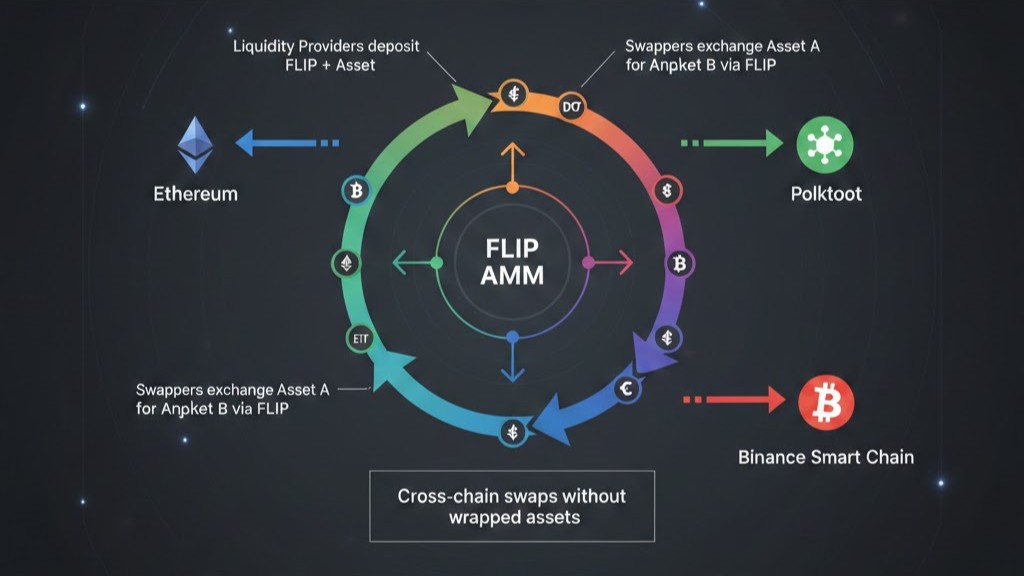
Chainflip is a cross-chain AMM designed for native swaps. The big promise is simple: swap assets across chains without wrapping and without using classic bridge IOUs. It aims to feel like a DEX experience while moving real assets between networks. Chainflip markets “no wrapping” and transparent pricing as core features.
This guide explains how Chainflip works, what makes it different, and what “safe” really means in 2026. You’ll get a clear overview, an honest risk breakdown, and a practical safety checklist. This is educational content, not financial advice.
By Yaser | Published on January 25, 2026
Chainflip Explained in Plain English
Chainflip is a protocol that coordinates cross-chain swaps through its own system, rather than forcing you to mint wrapped tokens. It focuses on a smoother user experience. You pick what you want to swap, send the asset, and receive the output on a different chain. Chainflip’s documentation shows support for multiple major networks, including Ethereum, Bitcoin, Arbitrum, Polkadot, Solana, and Assethub.
To understand safety, you must understand what Chainflip is doing behind the scenes: custody-like vault control (shared), validator coordination, and a swap engine that prices trades.
“No Wrapping” and Why People Care
Wrapped tokens are common in cross-chain systems, but they add extra trust assumptions. You depend on a bridge or issuer to keep backing correct. Chainflip’s “no wrapping” claim matters because it tries to move native assets instead of giving you a token IOU.
This can reduce some categories of risk, but it does not remove risk entirely. You still rely on protocol security, validator behavior, and correct execution. “No wrapping” is not a magic shield. It is a design choice with different tradeoffs.
What Chains and Assets Are Supported
Supported networks change over time, so you should always check the current list before swapping. Chainflip’s docs list major chains across test networks and mainnet, including Bitcoin and Ethereum, plus several L2 and ecosystem networks like Arbitrum and Assethub.
Support matters for safety because each chain has different finality, fee conditions, and operational quirks. A swap that is smooth on one chain can be slower or more expensive on another. A good habit is to confirm: chain supported, asset supported, and minimum trade limits if they exist.
Where Chainflip Fits in DeFi Infrastructure
Chainflip is closer to “infrastructure” than a meme trend. It aims to be the plumbing for cross-chain trading and integrations. The docs are written for builders too, with broker and integration paths, which is a common sign of infrastructure focus.
Infrastructure can be safer over time because it gets tested by more users, more developers, and more monitoring. But it also becomes a bigger target. The more value that flows through a system, the more attackers look for weaknesses.
How Chainflip Cross-Chain Swaps Work
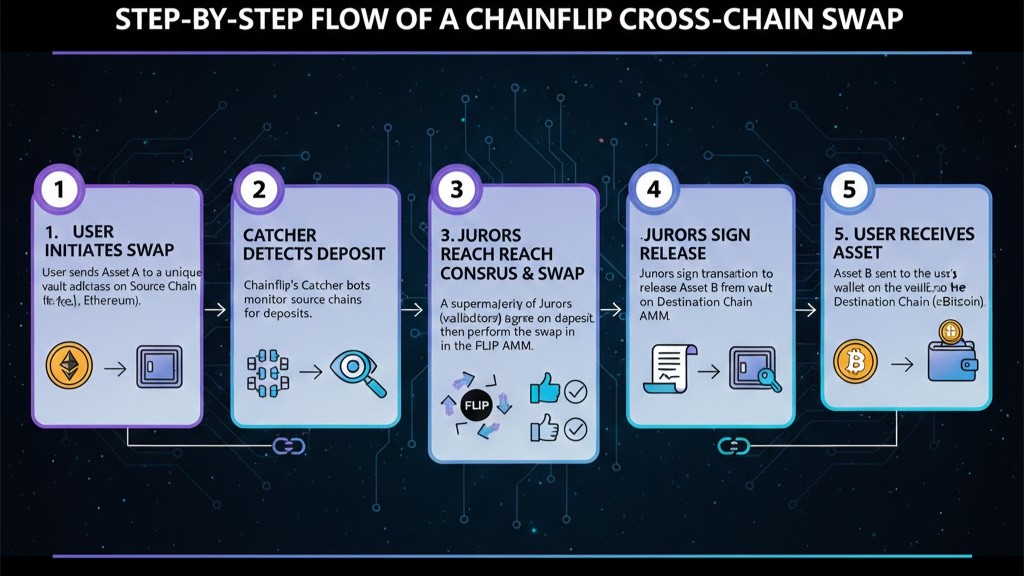
Chainflip uses a coordination layer often described as a State Chain that manages swap logic, messaging, and settlement steps. Research and exchange profiles describe a system where validators operate vaults that hold assets across chains, while the State Chain coordinates the process.
This architecture matters because it explains where risks live: vault control, validator signatures, swap pricing, and the final settlement on destination chains. Understanding the flow helps you avoid user mistakes and interpret delays.
The “State Chain” Coordination Layer
The State Chain is basically the brain. It tracks what is happening and instructs the system on what to do next. Chainflip’s docs describe governance and upgradeability features tied to this system, showing it is not meant to be “set and forget.”
In simple terms: you deposit on chain A, the system confirms that deposit, the swap is priced and executed, and you receive on chain B. The details matter, but the idea is clear: coordination first, settlement second, delivery last.
Vaults, Threshold Signatures, and Shared Control
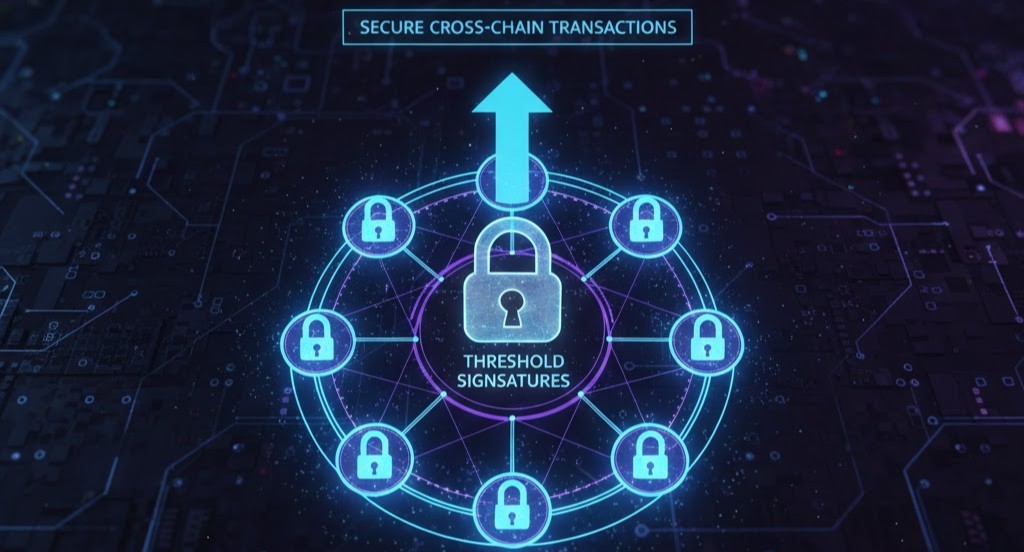
Chainflip’s design uses threshold/collective signing to control vaults. In the docs, redemptions reference certificates requiring a TSS signature from a large validator set (example: “100 of 150” signature) to unlock or process certain actions.
This is meant to reduce single-point failure. No single validator should control funds. That is good. But it also means the system depends on honest majority assumptions and strong operational security across the validator set.
JIT AMM: What It Means for Pricing
Chainflip is often described as using a Just-in-Time (JIT) AMM, which is different from the typical constant-product pool you see everywhere. Major listings describe this as a unique pricing mechanism and highlight competitive pricing.
For users, the key point is simple: pricing depends on liquidity, trade size, and current market conditions. You should always review the quote before confirming. Good pricing is great, but slippage and fees still exist, especially during volatility.
Security Model: What Protects the System
“Is it safe?” depends on what you mean by safe. No protocol is risk-free. The goal is to reduce risk with layered defenses: economic incentives, slashing, large validator sets, audits and bug bounties, and controlled upgrade processes. Chainflip has documented governance and security processes, and it also runs a responsible disclosure / bug bounty program.
This section breaks down the key security pillars in simple language.
Validators, Staking, and Economic Security
Chainflip relies on a validator network where validators stake FLIP and can earn rewards based on staked amounts and qualification. The docs describe reward logic and the role of staking for validators.
Economic security means validators put value at risk. If they misbehave, that value can be slashed. This is the “skin in the game” concept. It does not guarantee perfection, but it raises the cost of attacks. It also encourages operators to run reliable infrastructure.
Bonds, Auctions, and Slashing Basics
Validator participation is tied to auctions, bonds, and ongoing qualification. Chainflip’s validator auction explainer describes a rotating auction model and selection from top bids.
Slashing is the penalty mechanism. Chainflip’s own blog notes slashing parameters during mainnet preparation and explains how negative reputation over a day could lead to slashing.
For users, this matters because it shows the system expects operator failure and tries to handle it with incentives.
Audits, Open Source Signals, and Bug Bounty Culture
Security is not only code. It is process. Chainflip maintains a responsible disclosure policy and rewards researchers based on severity (CVSS style).
Open repos and documentation also help the ecosystem review and integrate safely. That does not guarantee no bugs, but it improves transparency. If you care about safety, it is a good sign when a project encourages vulnerability reporting and has clear security handling rather than hiding issues.
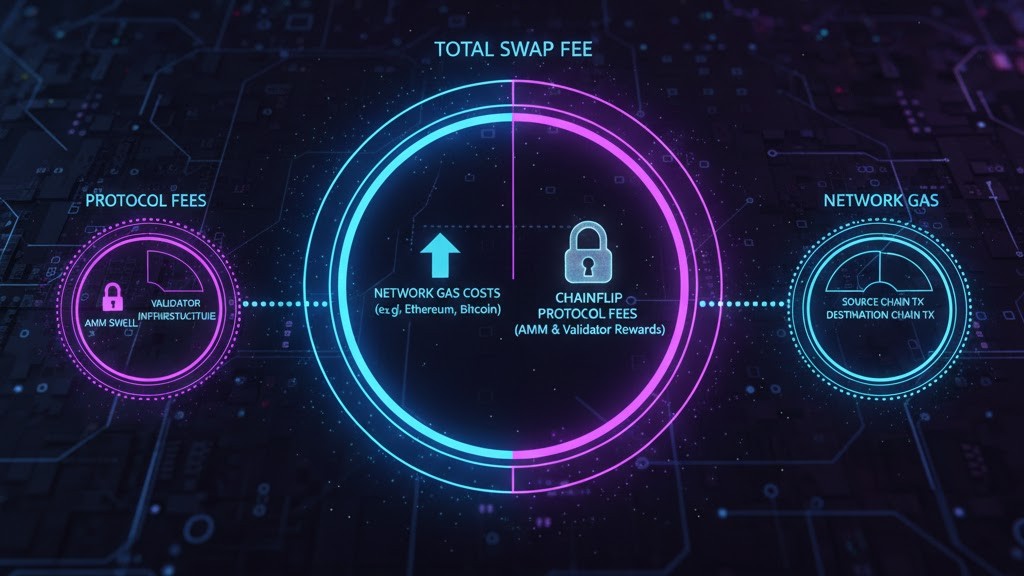
Fees and Pricing: What You Really Pay
Fees are part of safety. If users do not understand costs, they rush trades, misread quotes, and take unnecessary risk. Chainflip emphasizes transparent pricing and claims no extra hidden fees, with pricing that scales by trade size.
Still, you should separate pricing into categories: protocol fees, network gas fees on the source and destination chains, and execution slippage. This section helps you think clearly before you confirm a swap.
Protocol Fees vs Network Fees
Network fees are paid to blockchains. You pay gas on Bitcoin, Ethereum, Solana, or other networks depending on the path. Protocol fees are charged by the system to run the service and reward security participants. Chainflip’s token economics and governance pages discuss emissions, burning, and security incentives tied to validator rewards.
For users, the practical takeaway is: do not judge costs from one number. Look at the full breakdown in the quote and confirm the final receive amount.
Slippage, Liquidity, and “Why My Quote Changed”
Slippage happens when the effective price changes between quote and execution. Cross-chain swaps can also face timing differences between chains. That means conditions can shift while your transaction is still settling. A JIT-style mechanism can improve pricing in many cases, but it still depends on available liquidity and current flow.
The safe habit is simple: trade smaller sizes if you are testing, and avoid swapping during extreme volatility if you cannot afford quote drift.
How to Estimate Total Cost Before Clicking Confirm
Start with three checks. First: source-chain gas fee (what it costs to send). Second: protocol fee and any spread in the quote. Third: destination-chain fees that may be included or may appear separately. Chainflip markets “transparent pricing,” but you should still read the quote line by line.
If you are moving a large amount, do a small test first. That one step is boring, but it prevents most user-side losses.

Risks: The Honest List You Should Know
A safe design can still fail. Cross-chain systems are complex. They touch multiple chains, multiple signature schemes, and many moving parts. Chainflip’s governance and security documentation explicitly recognizes the need for upgrade mechanisms and defenses against unexpected events.
This section gives you a clear risk map. It helps you understand what could go wrong, how likely it is, and what you can do as a user to reduce impact.
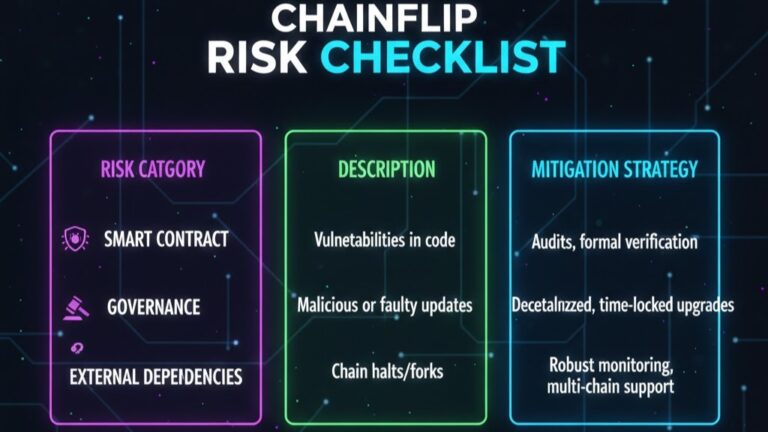
Smart Contract and Implementation Risk
Every DeFi protocol faces smart contract risk. Even with audits and open code, bugs can exist. Responsible disclosure programs reduce long-term risk because they encourage early reporting rather than silent exploitation.
For users, the best response is limitation. Use a dedicated wallet. Keep balances small. Avoid unlimited approvals. And avoid doing everything from one device with many unknown extensions. You cannot eliminate contract risk, but you can reduce your exposure.
Validator Set Risk and “Honest Majority” Assumptions
Threshold signing improves safety by distributing control. But it still depends on assumptions. If too many validators collude, or if signing keys are compromised at scale, the system can be attacked. The docs reference large-set threshold signatures for sensitive actions, which is designed to raise the cost of attacks.
Economic security (staking and slashing) helps. But you should still treat cross-chain swaps as higher risk than simple same-chain swaps, especially for large amounts.
Governance and Upgrade Risk
Chainflip’s docs are direct: the protocol cannot be totally immutable, and governance must exist to add chains, update fees, and handle new features.
Upgradeability is practical, but it adds governance risk. Users should watch how upgrades are executed, how transparent decisions are, and whether emergency processes are clearly defined. A well-run governance process can reduce damage during incidents. A weak one can introduce new attack paths.
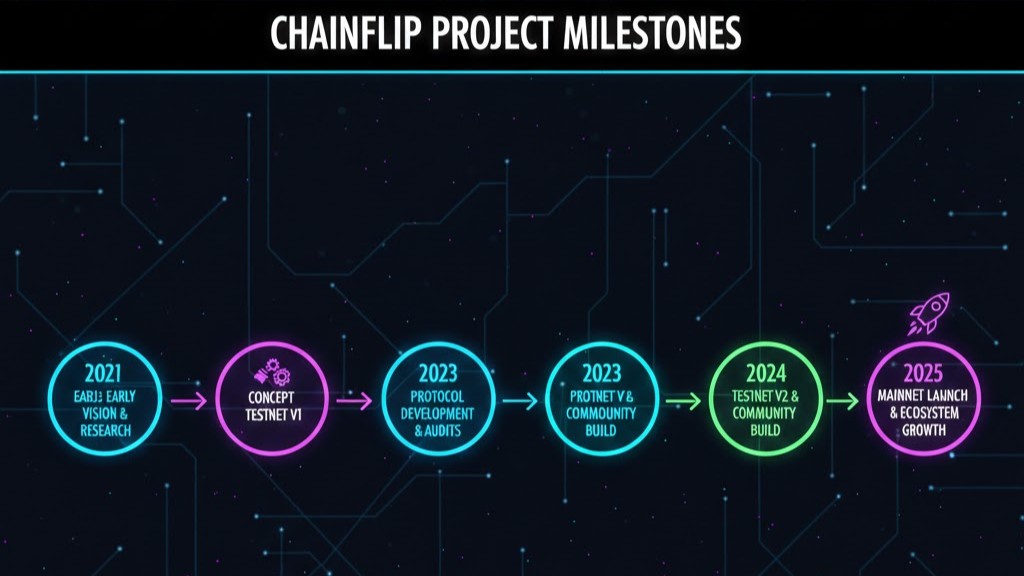
Chainflip History: From Idea to Live Network
A “Basics” article should give context. Chainflip has been discussed for years through papers and research. Early documents framed the goal clearly: cross-chain exchange without a trusted intermediary and without wrapped tokens.
Later, public updates in 2023 discussed mainnet preparation, slashing tuning, and launch steps.
By late 2025, documentation pages show mature lists of supported chains and governance/security processes, signaling an operational protocol with ongoing upgrades.
Early Vision: Cross-Chain Swaps Without IOUs
The early framing focused on a DEX-like experience across chains. It emphasized native assets, reduced reliance on wrapped tokens, and a validator network coordinating swaps.
This matters because it shows the project’s core identity. It is not trying to be a general L1. It is focused on cross-chain liquidity and swap execution. When you review any update, ask: does it strengthen this core mission, or does it distract from it?
Mainnet Preparation and Operational Reality
Mainnet readiness is not only a launch date. It is the operational tuning phase: slashing parameters, validator incentives, and reliability targets. Chainflip’s mainnet preparation post discussed slashing behavior and early tuning expectations.
This kind of detail is important for safety-minded readers. It shows the team expects real-world issues like downtime and reputation scoring. It also shows a preference for gradual tuning rather than pretending the system will be perfect from day one.
2026 Lens: What “Mature” Looks Like
In 2026, maturity means clear docs, clear governance, clear supported asset lists, and clear security processes. Chainflip’s documentation includes governance/security explanations and up-to-date chain support tables.
For users, maturity also means you can evaluate the system using evidence, not marketing. You can check how upgrades are communicated, how security disclosures are handled, and how pricing is presented during real market stress.
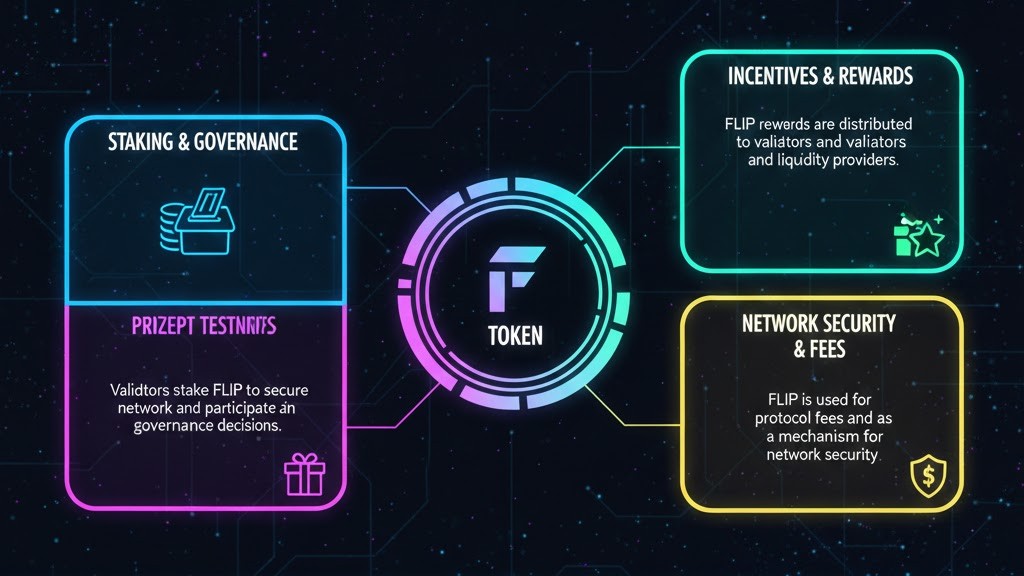
FLIP Token: Utility, Incentives, and Security Role
FLIP is the native token used to secure and operate the network. Chainflip describes FLIP as essential for securing the protocol and paying network gas fees, with protocol fees supporting token value through mechanisms like buyback and burn.
You do not need to “trade” FLIP to understand Chainflip safety. But you should understand why it exists. Tokens are often the incentive engine that keeps validators honest and keeps the protocol funded.
Staking, Rewards, and Why Validators Need FLIP
Validator incentives exist to keep the network secure. Chainflip’s token economics documentation describes emissions as rewards that support economic security, because validators stake tokens that can be slashed.
This is the core logic: stake value, earn rewards, risk penalties. It aligns behavior over time. Users should care because a stronger incentive system usually means better uptime, better monitoring, and higher costs for attackers.
Burning, Emissions, and Supply Updates
Token economics can affect long-term security because they influence validator participation. Chainflip docs discuss emission and burning design, and governance/security docs describe supply updates interacting with the FLIP token contract through the protocol gateway.
For readers, this means the system has active economics, not a dead token. But it also means you should watch governance decisions that change emissions or burning rules, because those changes can influence validator incentives.
Delegation and Participation Without Running a Validator
Not everyone runs infrastructure. Many ecosystems allow delegation or pooled participation. Chainflip’s token page references staking and upcoming delegation opportunities.
From a safety view, delegation adds a new layer of risk: smart contracts, custody choices, and third-party operators. If you cover this topic, keep it education-first. Explain risks and checklists. Avoid promising returns. Readers trust you more when you focus on what can go wrong and how to manage it.
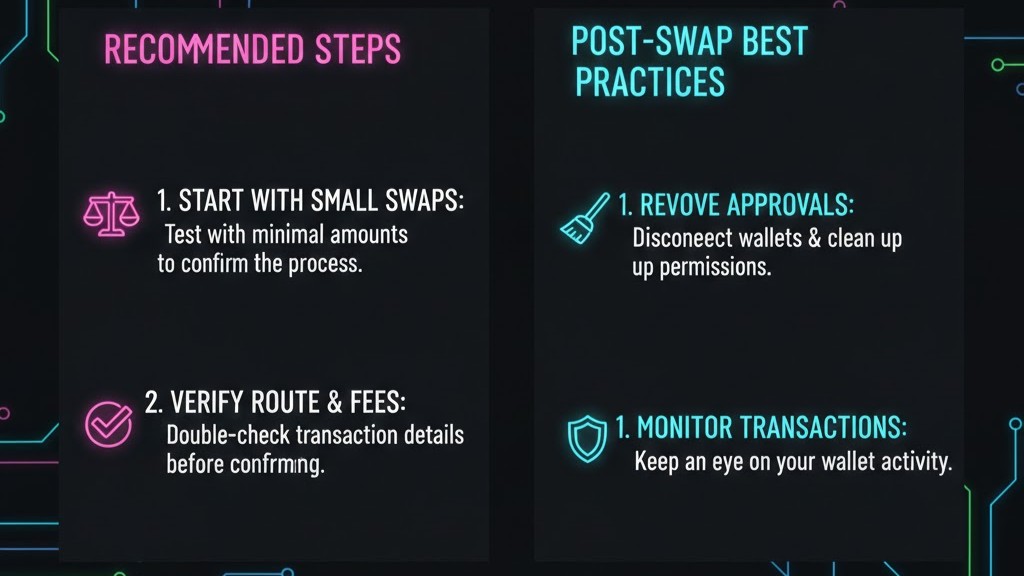
A Practical Safety Checklist for Using Chainflip
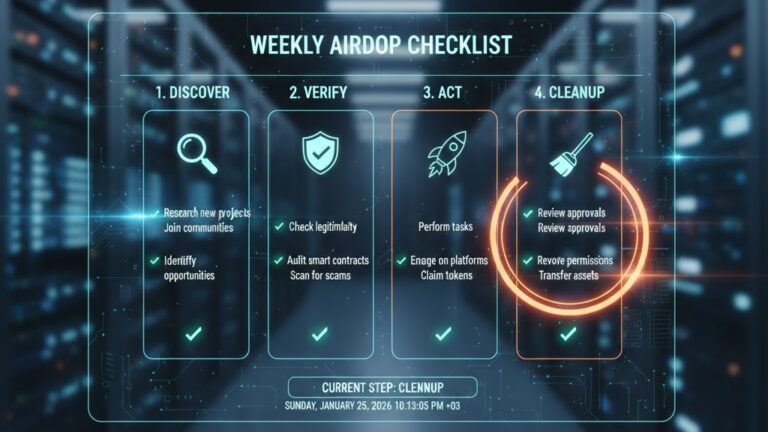
If you want one section to bookmark, it should be this. “Safe” is mostly about process. The protocol can have strong cryptography, and you can still lose money by clicking the wrong link. Your goal is to reduce avoidable risk. That means verifying the official app, using a separate wallet, limiting approvals, and doing small tests. Chainflip promotes transparent pricing and simple UX, but you should still follow your own safety steps every single time.
Before You Swap: Verify, Verify, Verify
Only use official sources. Avoid random DMs and comment links. Check the domain carefully. Confirm that the chain and asset you want are actually supported right now.
Then review the quote and the final receive amount. If anything looks off, stop. Your best defense is patience. Most scams rely on speed. A legitimate protocol will still be there in five minutes. A scam will push you to act now.
During the Swap: Start Small and Watch the Confirmations
Do a small test swap first, especially if you are new. This tests your wallet settings, chain fees, and the actual user flow. Then scale only if everything looks correct. Cross-chain swaps can take longer than same-chain swaps because settlement steps depend on multiple networks. So do not panic if it is not instant. If you want speed, you trade safety for urgency. Slow and steady is safer, especially when fees or volatility are high.
After the Swap: Clean Up Approvals and Keep Records
After you finish, revoke token approvals you do not need anymore. Keep your airdrop and experiment wallets separate from your long-term holding wallet. Track what you did, what it cost, and what you received. This protects you against two problems: lingering approvals and memory errors. It also helps you become a smarter user over time. The best crypto users are not the fastest. They are the most consistent with safety rules.
Popular Articles