
Earn Free Crypto Without Risk: 8 Smart Ways That Really Work
Discover 8 proven ways to earn free crypto safely without trading or investment. Learn real methods that work in 2025 and start building income the smart way.
By Yaser | Published on October 25, 2025
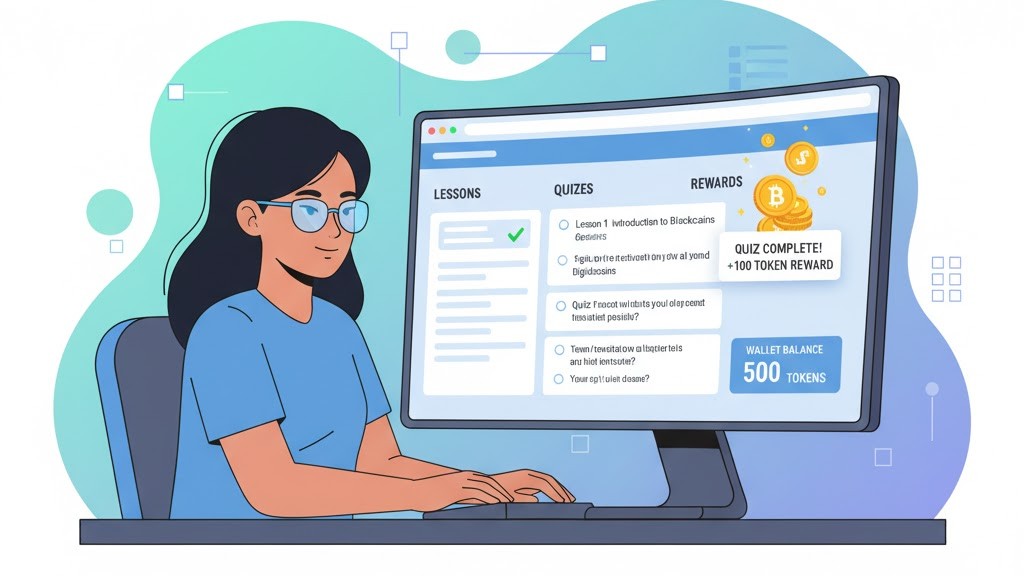
Learn-to-Earn Programs and Crypto Quizzes
Learn-to-earn programs reward newcomers for completing short lessons, passing quizzes, or exploring a product’s basics. The idea is simple: platforms want educated users, and users appreciate a fair, transparent way to discover new tools. Rewards are usually small but reliable, often paid in a project’s token or stablecoin. Because offers rotate, availability varies across regions and over time. Payouts may require identity checks on the host platform, and some lessons are limited to the first set of eligible participants. Still, for beginners who value clarity and safety, this path remains one of the most accessible entry points.
How the Model Works in Practice
Platforms publish bite-sized lessons that cover fundamentals, security, and product features. After watching or reading, participants answer a short quiz. If the answers meet the threshold, the system credits a small reward. The logic is straightforward: knowledge first, tokens second. Content tends to be introductory, so it is easy to follow even without technical background. Because campaigns are finite, spots can fill quickly; therefore, timing matters for eligibility, yet the structure itself remains stable and predictable.
Typical Rewards and Realistic Outcomes
Payouts are modest by design. Most lessons pay a fixed amount per module, which is suitable for learning and experimenting but not for large income. Rewards may be locked to the host platform for a period or distributed in small installments. Over time, consistent participation can accumulate into a noticeable sum, particularly when programs run weekly or monthly. Expectations stay grounded: this is an education incentive, not a high-yield scheme, and results scale mainly with steady engagement.
Verification, Regions, and Access Notes
Campaigns usually specify eligibility, supported countries, and required verification steps. Participants commonly confirm an email, link an account, and sometimes pass a basic KYC on the platform that hosts the quiz. These checks help prevent duplicate claims and keep rewards available for genuine learners. If a lesson is not visible in a certain country, it is usually due to licensing or campaign limits rather than user error. Documentation pages normally explain the criteria in simple terms.

Testnets, Points, and Potential Airdrops
Testnets allow users to try new features before a mainnet launch. Projects often track early activity with “points,” badges, or leaderboards. Sometimes, those records inform later community distributions; sometimes, they do not. The key point is transparency: teams usually explain that points are not a promise of tokens. Even so, testnets remain valuable because they teach real workflows without risking mainnet funds. Participants learn how to connect wallets, interact with contracts, and report issues. The most durable outcome is skill development; any future reward is a possible bonus rather than a guarantee.
What Participants Usually Do
Users connect a wallet to a test network and request free test tokens from the project’s faucet. They then complete tasks such as swapping, bridging, minting, or creating positions. Some programs log actions on a public dashboard that shows progress and relative scores. When features change, teams publish new quests to collect feedback and measure usability. All of this happens with test assets, so the financial risk is minimal aside from time spent.
Points vs. Tokens—Important Distinction
Points track participation; tokens represent transferable value. Projects often state that points have no market price and might never convert to an allocation. That distinction prevents confusion and helps maintain fair expectations. In cases where a future distribution does occur, snapshots usually reference defined windows of activity. Because details differ by project, participants read the program page to see what is counted and what is not. The clearer the rules, the smoother the experience.
Skill Building and Portfolio Benefits
Even without distributions, testnets strengthen practical skills. Users learn to read transaction prompts, recognize contract permissions, and understand fee models once on mainnet. These habits reduce mistakes later, especially when interacting with new protocols. When projects finally launch, early users already know the interface, which can save time and reduce friction. The educational value often outlasts any single campaign.

On-Chain Missions and Quest Platforms
Quest platforms curate tasks across multiple protocols. They bundle actions like providing liquidity, minting an NFT, or exploring a feature into simple “missions.” In return, users may receive on-chain badges, soulbound credentials, or small rewards funded by partner campaigns. Because each mission is specific, the path is easy to follow and suitable for structured learning. Importantly, many quests are informational rather than financial; they highlight how to use tools without requiring speculation. Over weeks, these missions map a clear route from basic wallet use to confident, multi-protocol navigation.
How Missions Are Structured
A mission usually lists steps, screenshots, and success criteria. Verification is automatic where possible, using contract calls or event logs to confirm completion. Some campaigns add quizzes to test understanding. Because the tasks are modular, users can pick only what they need. This modular design means the workload scales with one’s goals—short sessions for exploration, longer sessions for deep dives—and that flexibility makes quests beginner-friendly.
Rewards, Badges, and Credibility
Rewards vary from small token tips to non-transferable badges that signal experience. While badges do not carry price, they document activity across multiple apps and chains. Over time, a verified activity trail can help users qualify for future campaigns that favor proven explorers. The value is cumulative: each mission adds another proof point that the wallet belongs to an engaged, legitimate user, which is useful across many communities.
Cost and Friction Considerations
Some missions happen on low-fee networks; others require minor gas on mainnet. When fees matter, campaigns often steer users to cost-efficient layers or provide alternatives. Because mission pages disclose steps up front, participants can see the expected actions before starting. Clear disclosure keeps the process predictable and avoids surprises. If a task requires a mint or a specific interaction, the page usually states it plainly.

Play-and-Earn, Watch-and-Earn, and Micro-Task Apps
Beyond trading, there are apps that exchange small rewards for time and attention: playing mini-games, watching educational clips, answering surveys, or testing simple features. The idea has existed for years, yet the experience has improved with better anti-bot measures and clearer dashboards. Payouts are typically small but frequent, often in points redeemable for crypto or gift cards. Because supply is limited, campaigns rotate, and some tasks cap daily earnings. The approach suits users who prefer predictable, casual routines that can fit into short breaks.
What Tasks Usually Look Like
Activities range from daily check-ins and quizzes to lightweight games. Completion times are short, and instructions are simple. Most platforms display progress bars and redemption thresholds so participants always know where they stand. Some apps partner with brands, which adds sponsored tasks that follow the same format. The consistency makes these services easy to understand even for beginners.
Redemption and Payout Mechanics
Rewards commonly start as in-app points. After meeting a threshold, users redeem into supported assets or vouchers. Processing windows can vary from instant to several days, depending on the partner and anti-fraud checks. Minimums exist to reduce network costs and prevent spam. These mechanics are standard across the industry and are stated on each app’s help page.
Time Value and Realistic Planning
Because rewards are modest, the primary variable is time. Users who enjoy routine tasks may find the steady cadence worthwhile. Others may prefer to mix this method with learning or quests to keep things fresh. The important piece is alignment: choose activities that match available time and patience. Clear, consistent tracking—how long a task takes and what it pays—helps set realistic expectations.

Bug Bounties, QA Testing, and Responsible Disclosure
Security programs invite users to report vulnerabilities or quality issues. Traditional bug bounties target code flaws, while QA programs focus on usability bugs, broken flows, or edge cases. Rewards correlate with severity and clarity of the report. For non-developers, structured QA checklists and reproduction steps can still qualify for recognition or smaller payouts. These programs support safer products and compensate community effort, creating a practical path to earn that does not depend on markets or trading.
How Reports Are Evaluated
Programs define severity levels, eligibility rules, and out-of-scope items. A good report includes clear reproduction steps, screenshots or logs, and expected versus actual behavior. Triagers review submissions and assign a category. If duplicated, reports may receive reduced or no rewards. This transparent scoring encourages careful testing rather than random guesses.
Bounty Sizes and Processing Times
Rewards reflect risk: critical security issues receive higher payouts than minor UI glitches. Processing can take time because teams must validate, patch, and verify fixes. Public leaderboards often show top reporters and resolved issues, which builds trust in the process. Even small findings add value because they improve reliability for everyone.
Getting Started Without Deep Coding Skills
QA paths do not require advanced programming. Many issues surface during normal use: broken links, inconsistent copy, or flows that stall at specific inputs. Clear documentation and repeatable steps are the main contribution. Over time, contributors learn patterns and become more effective. This steady improvement is the real edge.

Grants, Hackathons, and Non-Trading Builder Rewards
Grants and hackathons support tools, content, research, analytics, and education. They are not limited to developers; many programs fund documentation, tutorials, dashboards, or community tools that solve real problems. Awards range from small micro-grants to larger multi-phase funding. Timelines and requirements vary, yet the principle stays the same: create something useful, document it clearly, and align it with a public roadmap. Because deliverables are visible, results remain verifiable long after payouts.
What Grant Committees Usually Seek
Committees look for clarity of scope, feasibility, and measurable impact. Proposals that solve a known bottleneck or improve user safety receive serious attention. Budgets are itemized, milestones are dated, and success metrics are concrete. This structure helps reviewers compare many submissions fairly and fund the most helpful work.
Hackathon Formats and Outcomes
Hackathons run from a weekend to several weeks. Teams submit demos, dashboards, or educational kits. Prizes often include cash equivalents, credits, or follow-on grants for promising projects. Even without winning, participants gain visibility and feedback that can lead to collaborations. The network effects—mentors, judges, partners—often outlast the event itself.
Non-Technical Paths That Still Qualify
Writing guides, recording explainers, or building simple spreadsheets can meet grant goals when they address real needs. For example, a security checklist, a fee comparison tool, or a beginner-friendly glossary can meaningfully improve user outcomes. The core test is usefulness: does the deliverable help people do something important more safely or more efficiently?

Community Ambassador, Translation, and Moderation Roles
Projects rely on ambassadors to explain features, translate updates, and moderate discussions. These roles reward consistent, helpful communication. Compensation may be monthly stipends, one-off bounties, recognition badges, or occasional token allocations. The focus is service, not speculation: ambassadors answer questions, collect feedback, and surface common issues so teams can respond. Because the value is ongoing, programs often prioritize reliability and clarity over raw activity counts.
What Ambassadors Typically Do
They host community calls, write digest posts, translate announcements, and keep chat spaces organized. They also gather user questions and relay them to the team. Clear, friendly tone matters, as does accuracy. Over time, a track record of consistent summaries and practical answers becomes the basis for continued involvement.
How Selection and Retention Work
Applications usually ask for language proficiency, availability, and prior contributions. Trial periods are common. Retention depends on responsiveness, factual accuracy, and respectful communication. Programs tend to prefer measured, transparent voices that help users understand changes without creating unnecessary hype.
Recognition and Growth Paths
Successful ambassadors often expand into content, events, or regional initiatives. Some transition into part-time or full-time roles focused on education or operations. The experience compounds: communication skills, product knowledge, and user empathy carry over to many other opportunities across the ecosystem.

Referral Programs and Ethical Affiliate Rewards
Referral systems reward users for introducing tools to new audiences. They work best when the product already delivers clear value: the referral becomes a pointer, not a pressure tactic. Programs usually provide unique links, basic analytics, and tiered rewards. Limits, cooldowns, and anti-fraud checks are standard. When communicated honestly—benefits, costs, and alternatives—referrals align incentives without pushing anyone into decisions they do not want.
How Rewards Are Calculated
Many programs pay per verified signup, completed milestone, or usage threshold. Some share a small portion of fees during an introductory period. Structures are documented in simple tables that show percentages or fixed amounts. Because details vary, dashboards display progress so participants know exactly what has qualified.
Transparency and User Trust
Clear, balanced explanations build trust. Descriptions usually include what the product does, who it is for, and any known limitations. This approach respects the audience and reduces misunderstandings later. Over time, transparent communication protects reputations better than short-term tactics.
Long-Term Value vs. One-Off Spikes
Sustainable programs prioritize retention, not just first clicks. When a referred user stays active because the product genuinely helps, both sides benefit. That is why many dashboards highlight ongoing engagement metrics. A steady, honest cadence often outperforms attempts to chase quick spikes.

Content Bounties, Research Prizes, and Data Dashboards
Many teams fund educational content, market explainers, or lightweight analytics. Rewards go to creators who publish clear, accurate materials that answer real user questions. Formats vary—articles, spreadsheets, interactive dashboards—but the principle is constant: practical value first. Because deliverables are public, quality and correctness are easy to review. Over time, a portfolio of reliable content can lead to recurring bounties or collaborations with multiple projects.
What Reviewers Look For
Editors and reviewers value clarity, citations when needed, and actionable insights. Pieces that reduce confusion for beginners or save time for advanced users score well. Evidence of testing and careful wording helps. The best submissions avoid hype and focus on steps, definitions, and trade-offs explained in plain language.
Measuring Impact After Publication
Simple metrics—views, completion rates, feedback—show whether content helped. Some bounty programs include follow-up prompts for updates when products change. This loop keeps materials fresh and increases usefulness over time. Visibility also grows as communities share helpful resources.
Building a Reusable Toolkit
Creators often maintain templates, glossaries, and trackers that speed future work. Reusable components—fee calculators, permission checklists, or risk glossaries—become building blocks for new articles or dashboards. This compounding effect increases both quality and output without increasing effort proportionally.
Popular Articles